


This story was originally published by the Cookie Jar Collective, read the original version here.
In this conversation, Ann generously shares deep insights from her experience building the Freelancers Union health insurance company in the early 2000s. Her perspectives extend far beyond just health insurance and portable benefits – offering lessons relevant to any artist-led or independent worker solidarity economy initiative including the Cookie Jar Collective.
We are so grateful to Ann for being one of our co-designers and project advisors. We’re thrilled to be part of Velarium Labs, building new benefits for a shifting economy. Learn more about Ann’s work on her LinkedIn and at Bramble & Bird Consulting.
How did you first get involved in freelancer benefits, and what problem was Freelancers Union trying to solve when it launched its health insurance program?
I started working at Freelancers Union when I was 26. I’d been freelancing as an editor and ghostwriter, but my husband was going to graduate school and one of us needed a “real job.”
I was lucky enough to get to work with the Freelancers Union Founder, Sara Horowitz, back in the early 2000s. This was a moment when health insurance was in crisis nationally and, in New York City especially, in what the industry calls a “death spiral.” A death spiral happens when insurance gets so expensive that only people with very high medical needs buy it. Healthy people opt out because the premiums are too high, so then the risk pool becomes sicker, which forces rates even higher and drives out even more people. The whole system reinforces itself.
That’s important because insurance fundamentally depends on a broad mix of people sharing risk. If you don’t have the right blend of people contributing to the pool, the system starts to collapse.
At the time, freelancers were stuck in the individual market, which was where the market failure was happening. But the Freelancers Union recognized that actively working freelancers weren’t people who couldn’t afford insurance at all. They just couldn’t afford insurance that was priced badly.
The idea was simple: bring freelancers together and allow them to access group insurance rates the way full-time W2 employees do. That was the moment Freelancers Union was built for.
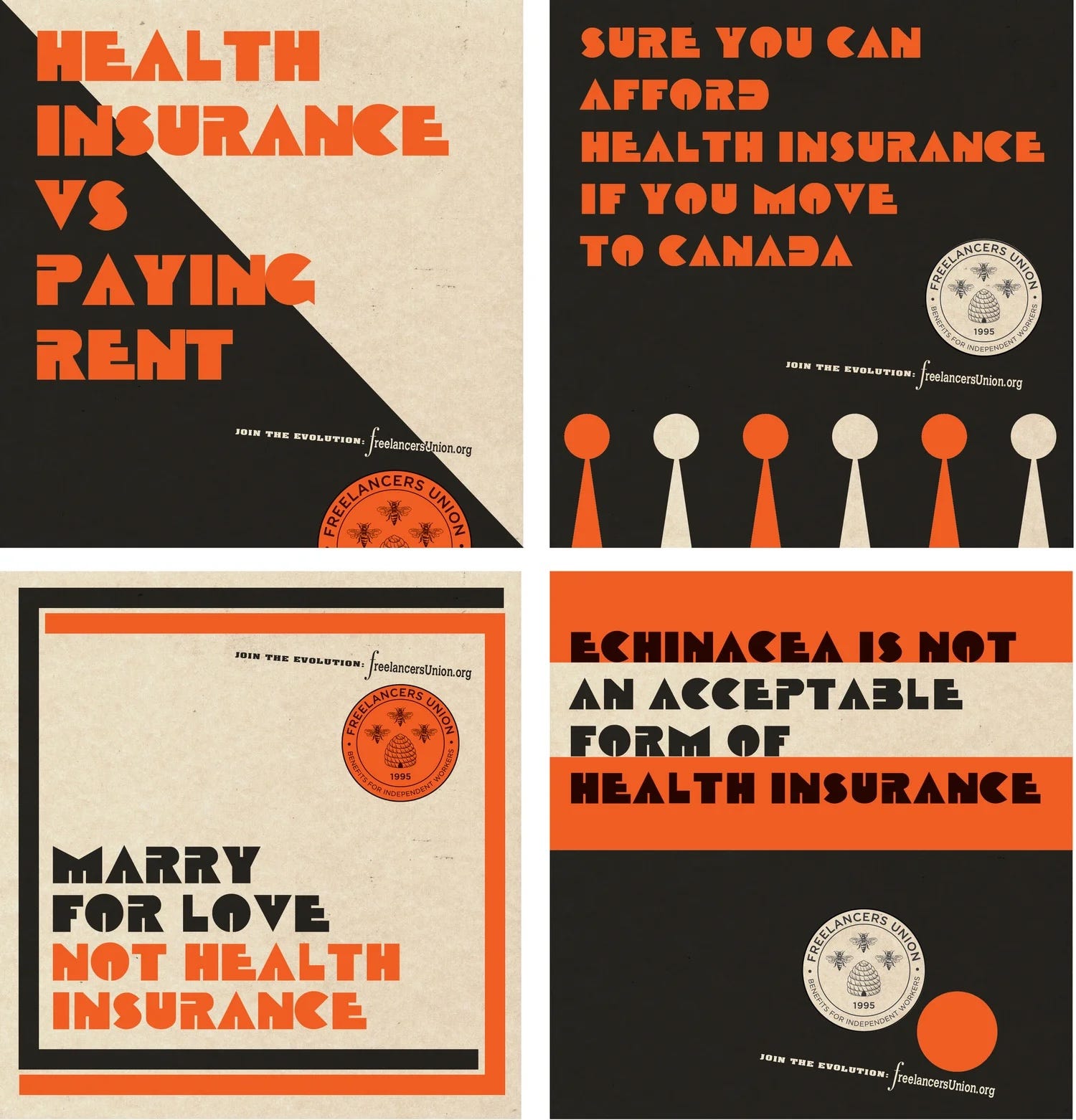
Many of these workers fell into a gap. They earned too much to qualify for government assistance but not enough to afford exorbitantly priced individual insurance. Freelancers Union became famous for advertising campaigns that highlighted that reality, with slogans like “Marry for Love, not Health Insurance” and “Welcome to Middle Class Poverty.” Those campaigns were trying to make visible where the safety net was failing.
What changed after the Affordable Care Act passed in 2010, and how did it affect Freelancers Union’s model?
The Affordable Care Act (ACA) was a major attempt to address the underlying market failure I just described. The individual mandate provision of the law required most Americans to maintain qualifying health insurance or pay a tax penalty–which was designed to ensure a balanced risk pool and keep healthcare premiums for everyone stable. The ACA also paired participation with subsidies, making coverage more affordable for many people.
Suddenly, freelancers had a new path where they could buy coverage through the exchanges and potentially receive subsidies. Also, the law brought regulatory changes that meant the Freelancers Union legal structure could no longer function in the same way. There was a fundamental mismatch between a community-based risk pool (our program) and a universally-available individual market (the exchanges). So, we sunsetted the health insurance program in 2015 after the ACA came into full effect.
So we obviously are still under the ACA, but it seems we’re heading towards another “death spiral.” According to some research, premiums are up 79% (especially since the Trump administration has let federal subsidies expire along with making major cuts to Medicaid). Many freelancers–myself included–do rely on individual coverage from our state marketplaces but this year premiums are exorbitantly high even for the lower tier plans. In 2026, where I live in New York City, most “Catastrophic” plans cost upwards of $800 per month and Bronze plans over $1,000. What’s going on and what are we going to do about it??!
Well, first of all, research shows that many independent workers would prefer some form of robust, national public option for health insurance and support political candidates who prioritize access to affordable care.
There are international examples showing that public healthcare systems can reduce many of the challenges facing the flexible workforce. If healthcare wasn’t tied so closely to employment, businesses would have more flexibility and people would have more freedom to be entrepreneurial.
So I think federal-level change is important. At the same time, people need solutions right now as healthcare costs continue rising much faster than inflation.
A big challenge for independent contractors comes from the fact that benefits eligibility is heavily tied to unique employment categories. For example, you might buy insurance as an individual or family, a small-business-of-one, or a small business owner with employees. Each are different legal categories with different rules.
But with the nature of independent work today, many people move between those categories over the course of a single year. I’ve personally been in all three in the same year. While the categories exist for legitimate reasons, people across them are often experiencing the same underlying problem.
Similarly, income levels will often dictate eligibility, but independent workers can have a great year and a terrible year. A great month and a terrible month. Someone might move between Medicaid, subsidized exchange plans, and other programs over time. That means eligibility for programs becomes intermittent. Even when support exists, access can still become fragmented, which then creates fractured care, as you move between different coverage - and different doctor networks.
People spend enormous amounts of time managing eligibility. They may need to change doctors or navigate new systems repeatedly. Those are some reasons why this problem is so complex, but that’s where portable benefits become both exciting and challenging.
Yes! We’ve been closely following the research on portable benefits and the growing multi-state policy movement over the past few years–especially through the work of Liya Palagashvili. It’s exciting to see so much momentum building around this issue. I’d love to hear more about how you thought about portable benefits at the Freelancers Union, and what that structure taught you about how we might want to design portable benefits today.
I think about portability in two ways. First, don’t tie insurance to a specific job. You could move from gig to gig, have multiple clients, or work several jobs at once and keep the same coverage.
Also, freelancers are often physically mobile. With the old Freelancers Insurance program, we had New York Times reporters covering international conflicts, touring musicians, performers, and people who traveled constantly for work. Even before remote work became mainstream, freelancers often lived and worked across multiple regions.
While the ACA created job portability, many exchange plans were–and still to this day remain–geographically limited. If you buy coverage in New York, for example, you often have access primarily to a regional “metro” network.
So while the ACA solved some portability challenges, it didn’t solve all of them. It largely assumed a more stationary population. Today, with remote work and digital nomadism, that issue is even more relevant.
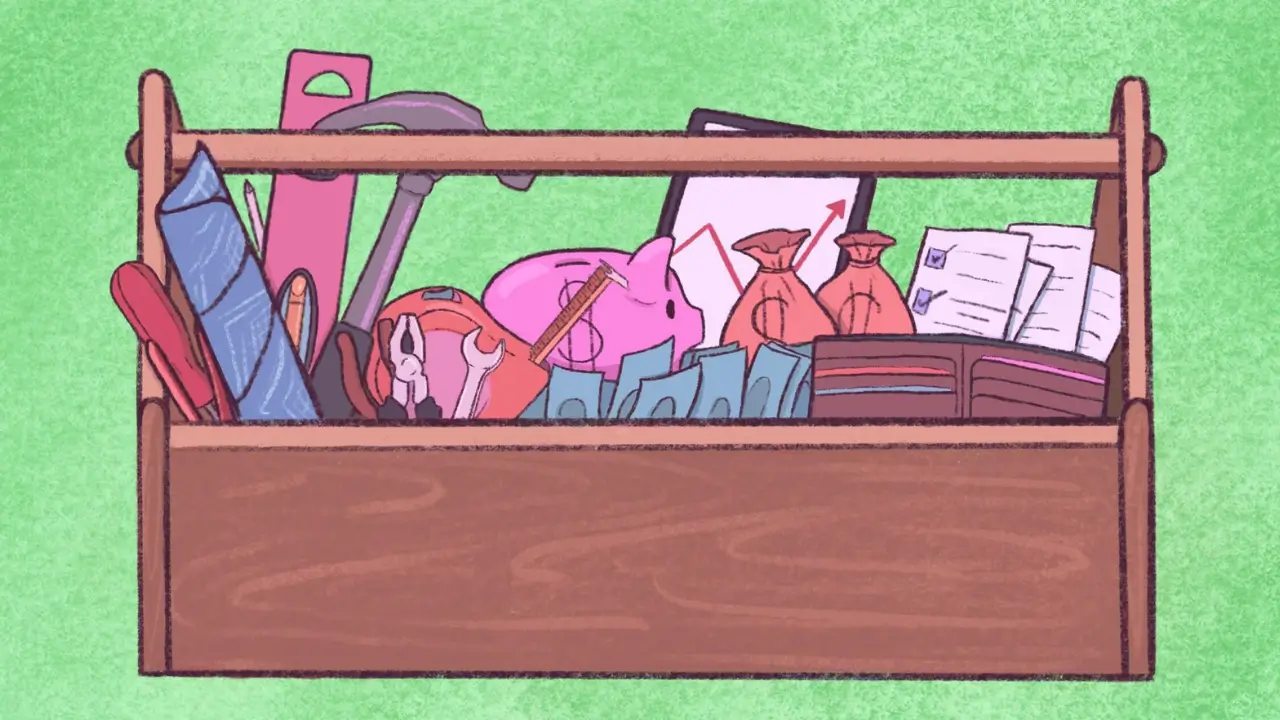
Now, for how to design portable benefits today… One thing that interests me is blended funding models. For example, some childcare programs split costs among workers, employers, and government. Everyone contributes. Everyone has a stake. I think that’s a promising principle because fully employer-funded systems can be difficult to sustain, while fully worker-funded systems often leave people behind.
The Freelancers Union program from the 2000s was an interesting example. We didn’t require government subsidies. We simply pooled people together differently to lower costs. But it still required philanthropic capital to get started. It wasn’t free. It needed upfront investment.
That’s why I think the future likely involves multiple funding streams rather than a single source. I am actively participating in some coalition-based policy development work to try and define what those pathways might look like in the near to mid-future.
What governance lessons from the Freelancers Union’s health insurance company are most relevant for those of us building portable benefits systems?
One thing that worked well was that we were run like a business, but governed in service of members. I was the chief operating officer. We had clear authority structures and responsibilities. But ultimately, I reported to a board that represented the membership. The insurance business was a for-profit entity (and therefore paid taxes) but was wholly-owned by a non-profit membership organization.
We didn’t have private shareholders asking how much profit we were generating. Instead, the questions were: Are our decisions equitable? Are we financially sustainable? Are we avoiding waste? Are we reinvesting appropriately in member care? If we were too profitable, we talked about if prices should be lower and how benefits could be better. That governance structure mattered and changed how decisions got made. It’s one of the most powerful lessons I took from that experience.
Our model was different but similar to mutuals–another common governance model for insurance. A mutual insurance company is cooperatively owned by its policyholders rather than outside shareholders. Many companies across life insurance, disability insurance, and even some auto insurance companies were founded this way 100–150 years ago. Over time, many of these companies have demutualized—restructuring into for-profit, publicly traded companies—but some mutuals still exist including Mutual of Omaha and Liberty Mutual, and I believe Guardian may still be structured as a mutual.
How it works is that the first group of policyholders contribute the initial capital needed to start the company. As new people purchase policies, part of their premiums helps build the company’s reserves, and as long as they remain policyholders, they are also part owners of the company. If the mutual has a particularly profitable year, those profits don’t go to outside shareholders. After covering operating expenses, they can be returned to policyholders as dividends or premium refunds.
The challenge for nonprofit insurance companies is capitalization; regulators require them to maintain very large financial reserves to cover claims in worst-case scenarios. Unlike for-profit insurers, nonprofits can’t easily raise capital by selling equity. Without either philanthropic funding, government support, or a community willing to provide significant upfront investment, it’s difficult to launch an insurance company as a nonprofit. One model that sometimes works is when a nonprofit hospital or health system creates an insurance company as a subsidiary or spin-off, using the parent organization’s resources to get it off the ground.
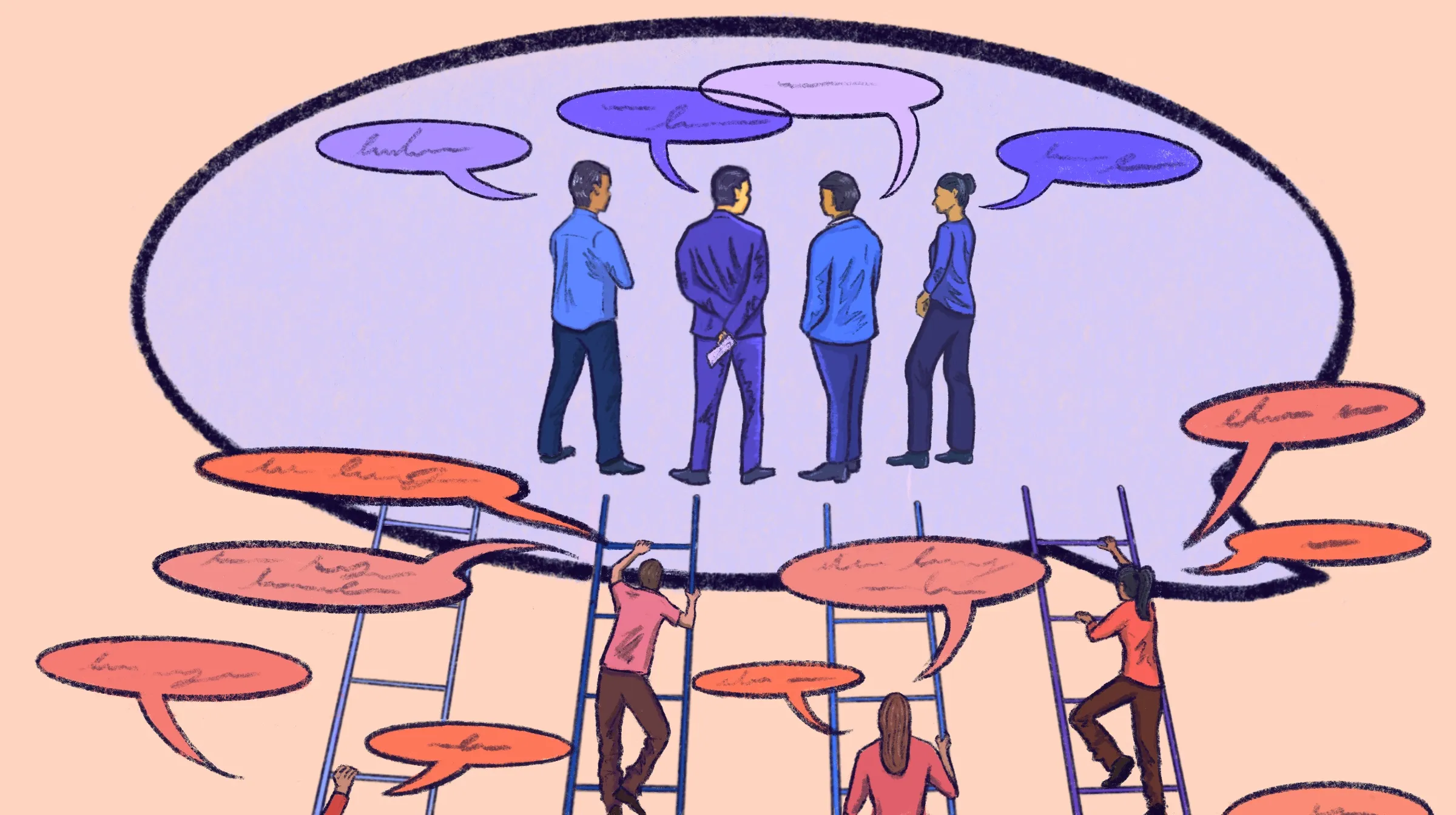
What role does community play in designing and delivering benefits? And where do you see the limits of community-based approaches?
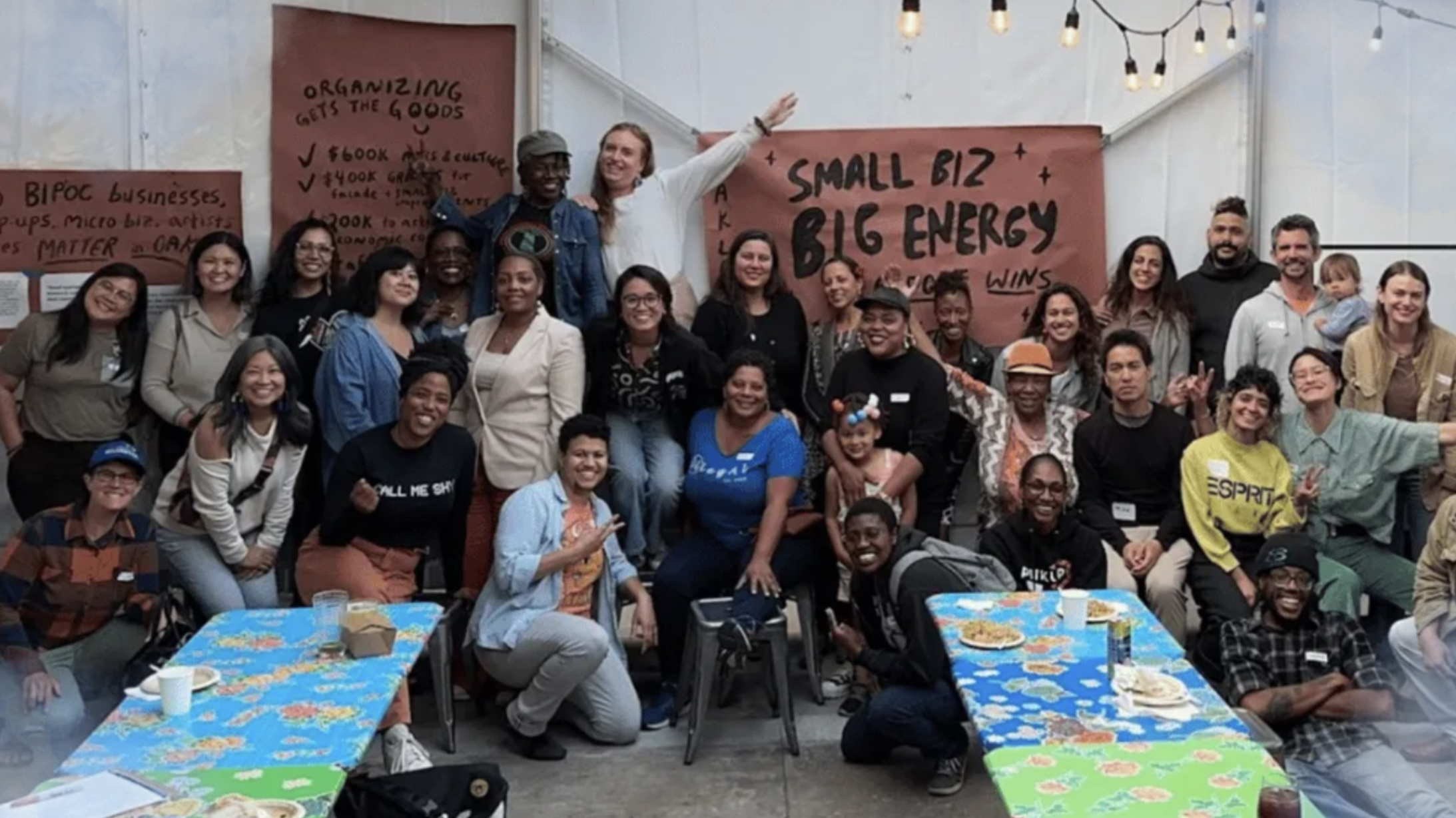
Communities can do something very powerful: they can identify shared needs. When we brought freelancers together, we started seeing patterns in the data. Their health needs didn’t look exactly like the rest of America.
Mental health was a major example. Freelancers experience more social isolation, more income volatility, and more uncertainty. Creative workers often depend on their ability to produce. If anxiety affects that ability, it becomes both a mental health issue and an economic issue. Because we understood those patterns, we could design programming around them. We offered integrative care, yoga, acupuncture, and workshops focused on creativity and well-being.
As a society, we spend enormous resources on disease treatment and disease management. We spend much less on helping people stay healthy. That’s where social connection matters. That’s where dignity, access, belonging, and mutual support matter. If I were designing something community-based, that’s where I’d start.
In terms of limitations, major medical insurance deals with enormous dollar amounts and highly uneven risks. If one member develops a rare illness or needs a treatment that costs millions of dollars, how does a community decide what to do? These are difficult ethical and financial questions.
At Freelancers Union, we had cases involving terminal illness and experimental treatments. Those decisions couldn’t be made emotionally or informally. We needed medical experts, review processes, governance structures, and financial discipline. That’s why I think healthcare requires rigor. Communities absolutely have a role. But major medical insurance involves decisions that need expertise, oversight, and large reserves of capital.
Thank you so much, Ann, for sharing your wisdom and experience with us. My final question is inspired by your LinkedIn bio, where you describe your work as “building new benefits for a shifting economy.” What changes are you seeing in the nature of work that require us to rethink our benefits systems? How are those shifts shaping the kinds of benefits you’re working to build?
I think we’re in a moment where the nature of work is continuing to blur across categories. The US is experiencing a demographic shift, where soon there will be more people over 65 than under 18. This will continue to squeeze working people, to care for both younger and older family members while juggling work that is increasingly flexible. With healthcare costs rising while wages stay stagnant, that means piecing together multiple jobs or building a variety of income streams that allow you to make a living while caring for others.
This shift is being accelerated by several forces: the rise of AI tools, the normalization of remote work, the rising age of the workforce, and broader economic pressure. Organizations are trying to do more with less, while freelance professionals are trying to diversify income so they’re not dependent on any single client or project.
To me, this is the moment we’re in: work is becoming more flexible and fragmented, but benefits systems are evolving much more slowly. So when I think about “building benefits for a shifting economy,” I’m thinking about how freelance and creative workers can co-design future benefit systems—both stronger public options as well as renewed forms of collective infrastructure.
Another is to engage arts organizations, small employers and other concerned stakeholders on how we build a broader understanding of workforce wellbeing to get at the root of the strain workers are under, which comes out as health concerns over time.
Employers are also feeling the strain: healthcare costs keep rising and benefits often become a major financial burden for small businesses with thin margins. So this isn’t just a freelance issue—it’s a broader labor market issue that shows up across small businesses and independent work alike.
The good news is that the sense of urgency is creating a new level of investment and creativity across the board. I see worker organizations, venture capital investors, entrepreneurs, large insurance companies, and policy makers all open to a new level of experimentation.



%20(1280%20x%20720%20px)%20(46).png)
.webp)
.webp)
%20(1280%20x%20720%20px)%20(3).webp)
%20(1280%20x%20720%20px)%20(39).png)
%20(1280%20x%20720%20px).webp)
%20(1280%20x%20720%20px)%20(2).webp)


%20(1280%20x%20720%20px)%20(40).png)


.webp)


