
What would it take for communities to hold power over the decisions and resources that shape their lives?
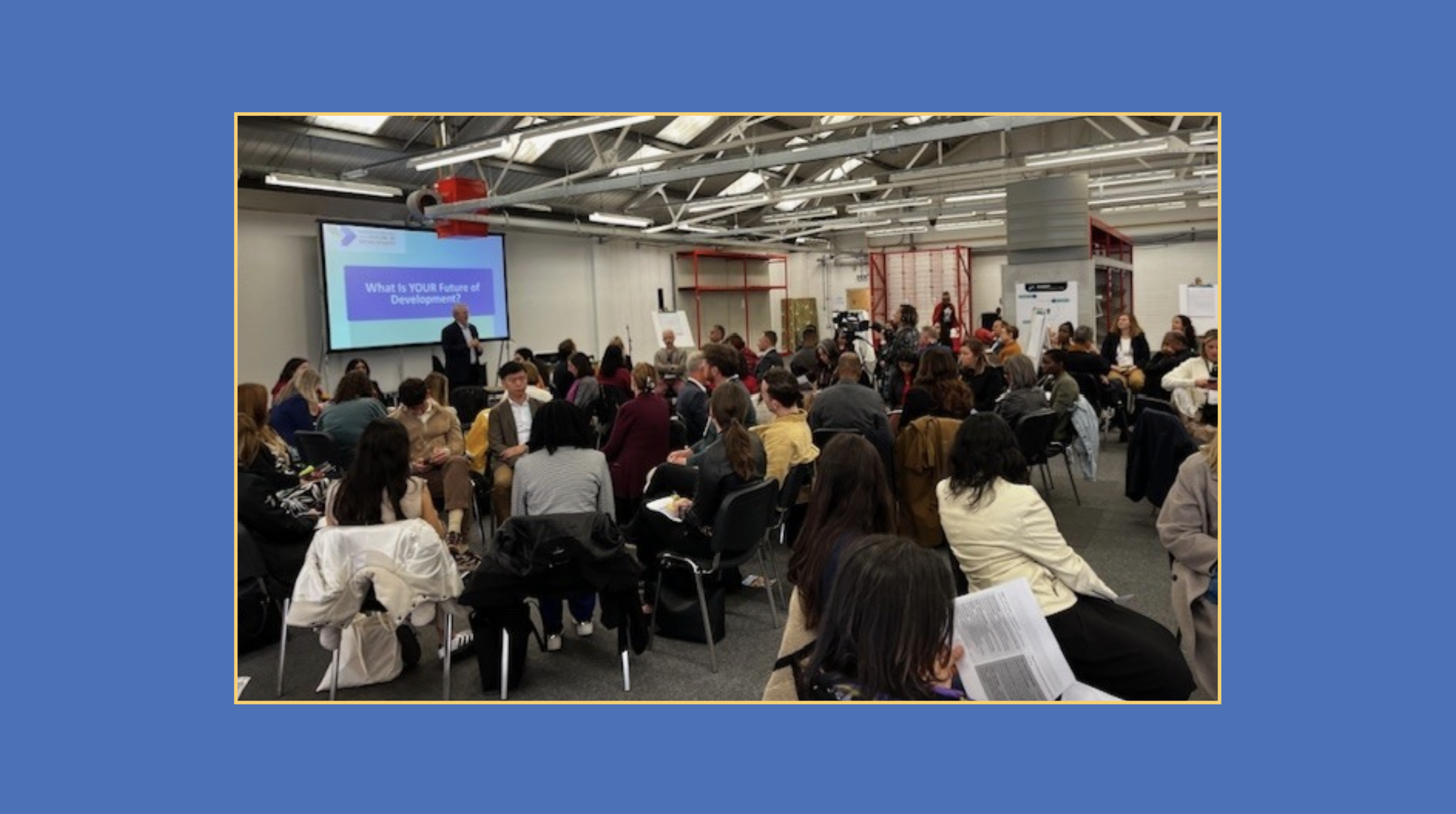
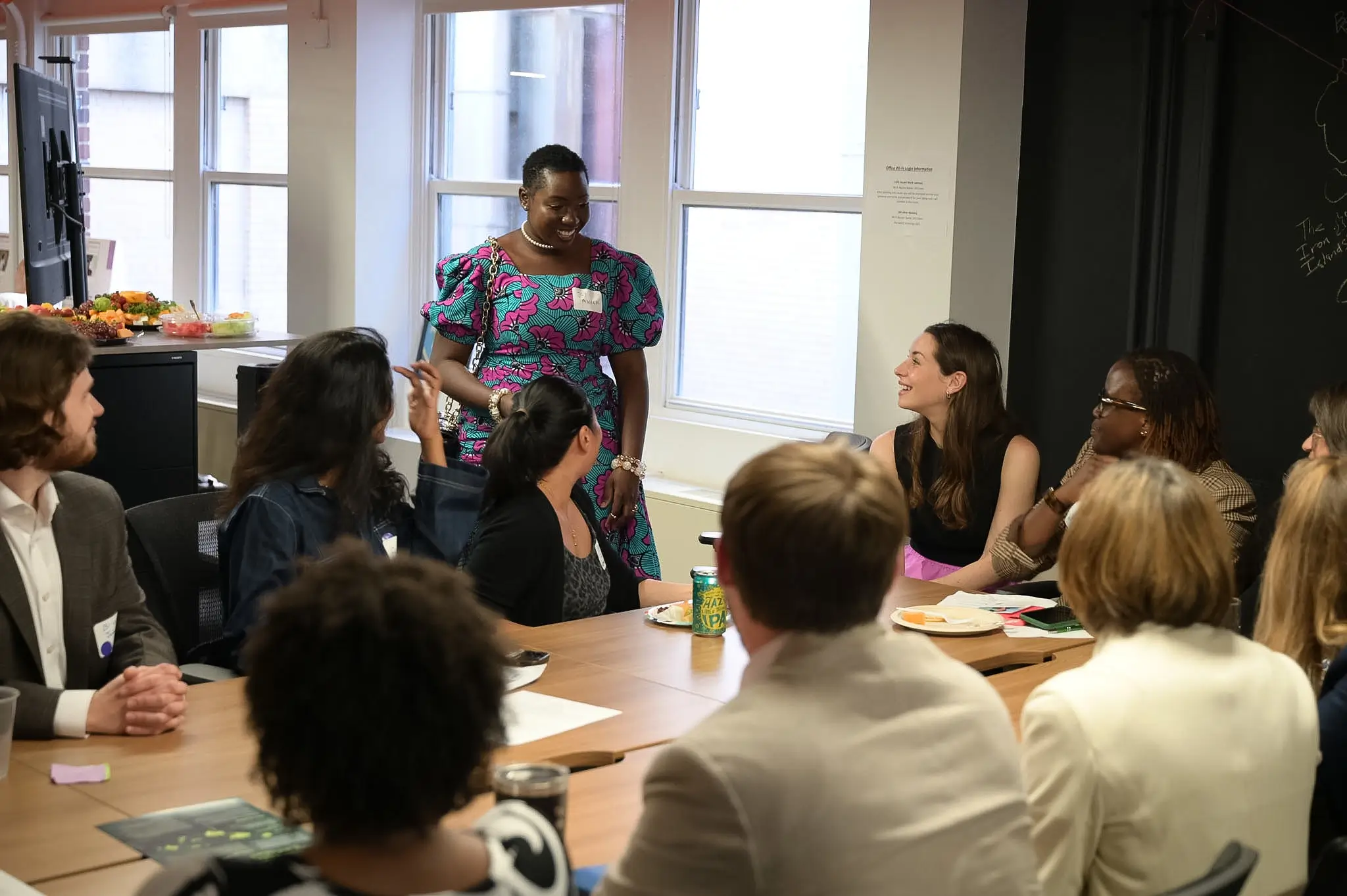
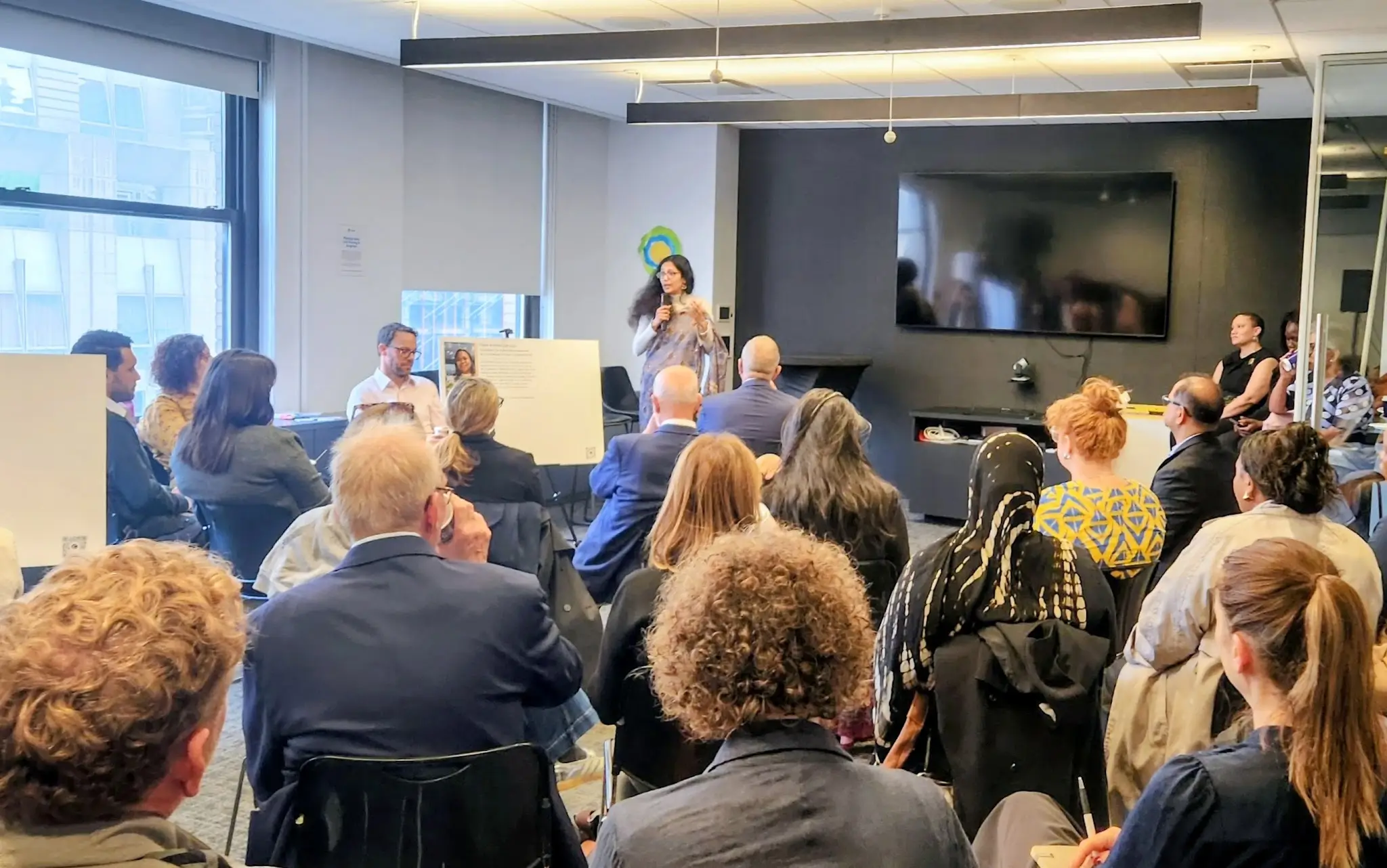
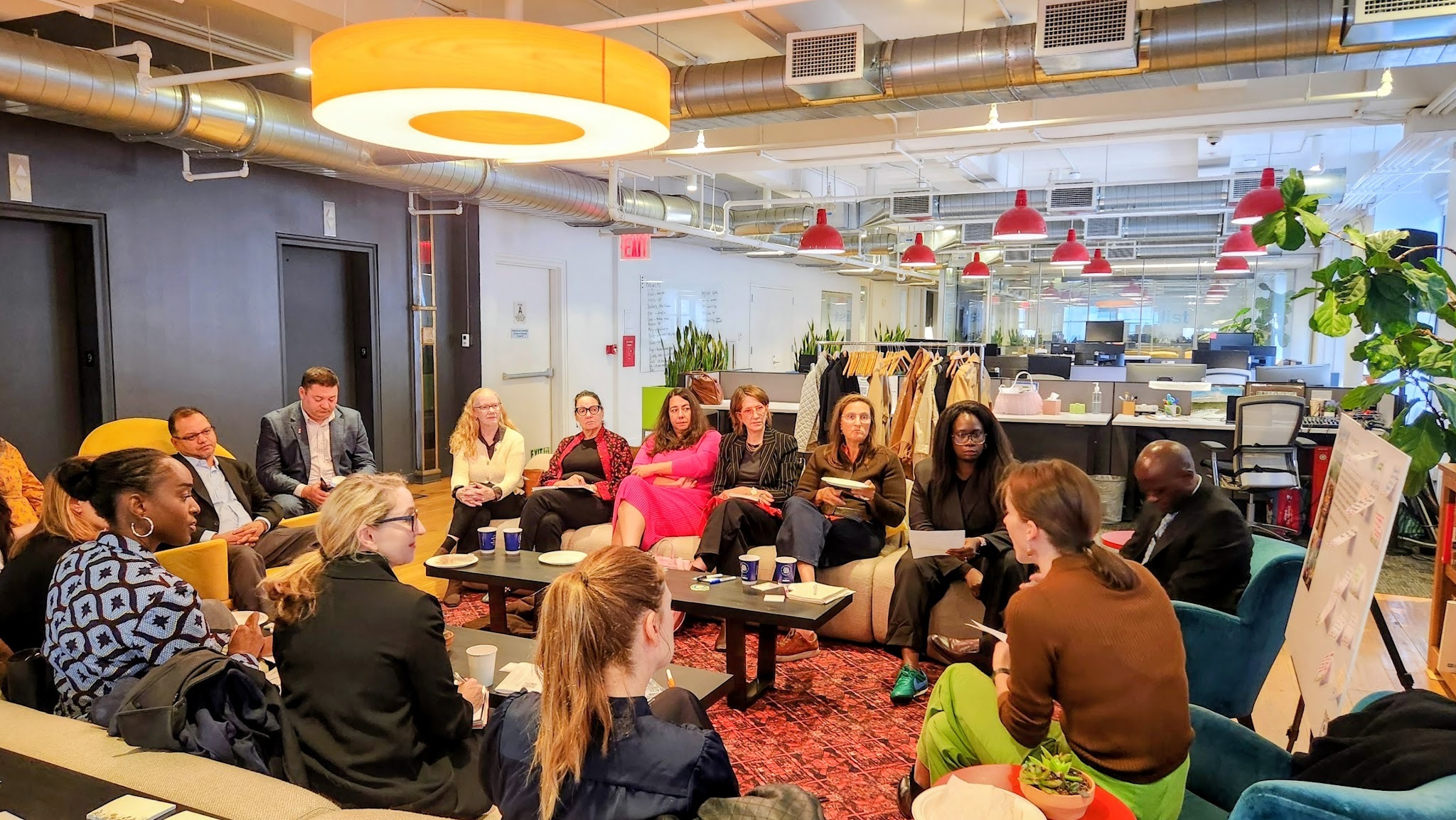
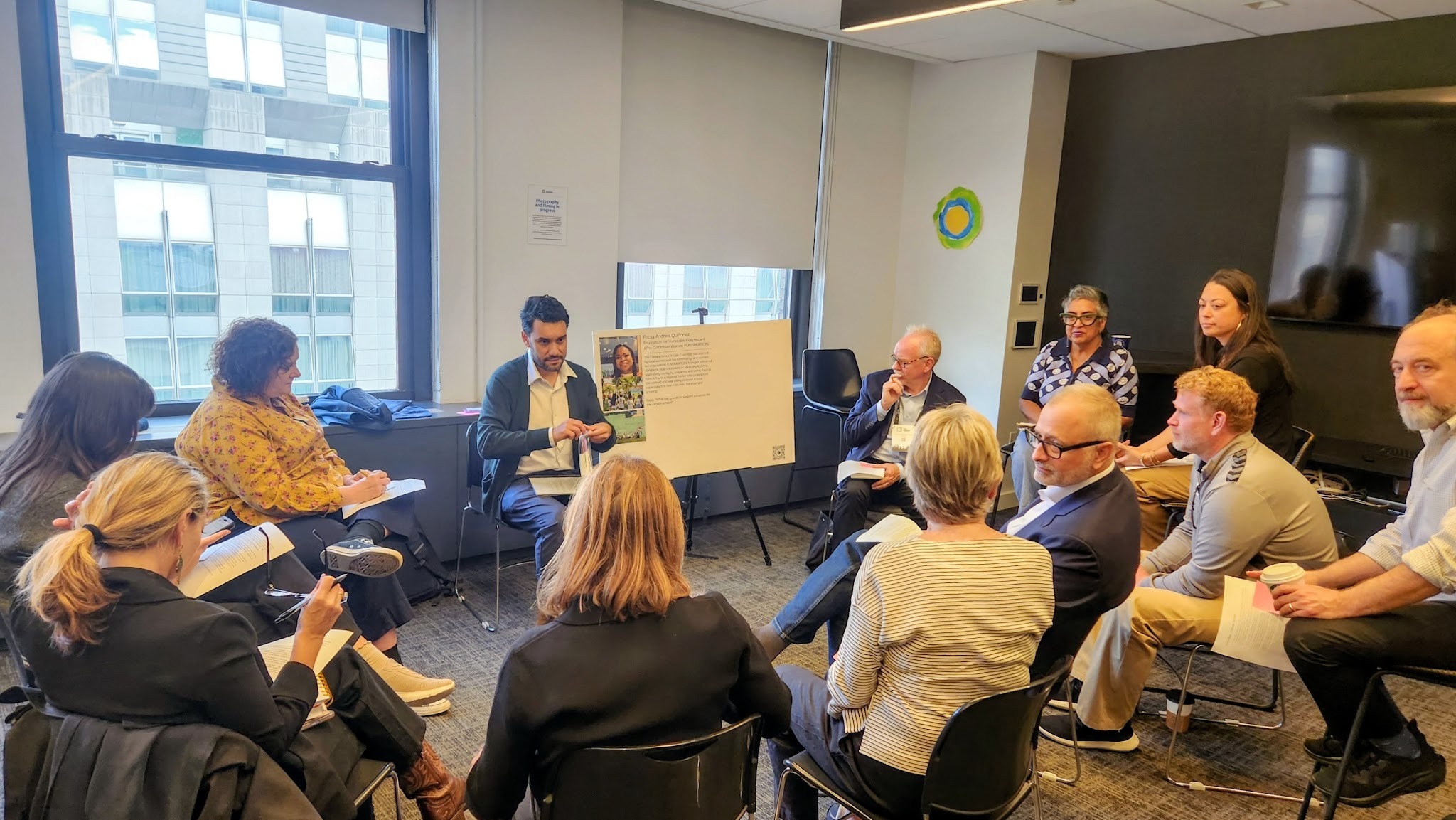
This was the question at the center of The Future of Community-Led Development in a New UN Era, a UNGA side event this past September co-hosted by Proximate, Humanity United, Accountability Lab, and the Movement for Community-led Development.
Eighteen months after the dismantling of USAID, the international development landscape continues to shift under everyone’s feet. But the event’s most revealing conversations weren’t about institutions. They were about relationships, how funders and allies listen, whose expertise they respect, and whether their support helps local organizations last.
Community leaders from Colombia, Nigeria, and Brazil shared their stories at the event. One message came through in all of them: Community-led organizations are not starting from a point of deficit. They already hold local knowledge, trusted relationships, leadership, networks, cultural resources, and years of experience tackling problems that outsiders often barely understand.
So the question isn’t how external actors can build capacity. It’s how they can acknowledge, resource, and partner with the people carrying the capacity and expertise that is already there.
Listen first. Then act.
The call from the community leaders was clear. Partnership and accompaniment starts with listening, which means funders and intermediaries have to stop arriving with a program already written.
So the message to funders is to ask organizations what they need. For some, the answer is growth. For others, it’s sustaining work that already matters, strengthening networks, gaining visibility, or finding specific expertise or funding. Some priorities won’t fit a funder’s framework. When that happens, the framework is the problem to fix, not the priority.
Local knowledge counts as expertise. The educational materials, advocacy strategies, community networks, and ways of organizing that groups have built through hard experience are assets, and they deserve to be treated as such.
Listening also means noticing what the work costs the people doing it. The community leader from Nigeria, for example, spoke candidly about the psychosocial toll of organizing and advocacy, and the constant risk of burnout. Support that ignores the person behind the work isn’t support. It has to account for their time, livelihoods, rest, and wellbeing. In essence, you can’t sustain community leadership without sustaining the leaders.
Money matters. It isn’t the whole story.
Financial resources remain essential. But participants described a much wider ecosystem of support: strategic advice, advocacy and communications help, technology, introductions to funders and networks, a seat at conferences and global platforms, and hands-on help with compliance. Sometimes guiding an organization through a funder’s paperwork matters as much as the grant itself.
That wider view also demolishes the persistent assumption that organizations achieving a great deal on very little must need very little.
The opposite is closer to the truth. Delivering results on a shoestring shows resourcefulness and resilience. It is not a reason to keep the shoestring. Flexible, sustainable funding lets organizations pay people fairly, invest in infrastructure and wellbeing, and plan beyond the next project (without the pressure to “scale.”)
And much of what communities contribute never appears on a balance sheet: time, relationships, knowledge, trust, leadership. Conventional funding models can’t see these things, yet they are often what makes community-led development possible at all.
Share the power. Share the risk.
The community leaders also made it clear that underneath all of this sits a question about power.
Money can move in new ways while decision-making still stays exactly where it was. Real community-led development asks for more than financial redistribution. It asks who defines the priorities, whose expertise counts, and whose understanding of risk drives the decisions.
For funders, that means examining the assumptions baked into their own systems. An organization might get labelled “high risk” because it is informal, locally governed, or unfamiliar to international funders, even when it enjoys deep legitimacy and strong relationships in its community. Meanwhile, familiar organizations often get filed as “low risk” simply because institutions find them easier to understand.
Good intentions won’t change that. Our community leader storytellers called on funders to rethink eligibility criteria, open pathways for informal organizations, offer flexible multi-year funding, and invest in pooled or regional mechanisms that put decisions closer to communities.
They can also ask a more uncomfortable question. Who is actually carrying the risk?
Too often, funders pass risk down through short funding cycles, restrictive requirements, and heavy reporting that shifts the burden to grantees while funders keep the control. A different approach would treat planning, convening, learning, rest, and wellbeing as legitimate parts of sustainable work.
Local and regional philanthropy already shows this can be done. The task now is to learn from those models and build the infrastructure that carries resources to communities in ways that match their realities.
From amplification to agency
Allies have another role to play, by opening doors. Many community-led organizations remain unseen beyond their own local context. This is not because their work lacks relevance, but because access to international platforms, media, and funding networks is simply uneven.
Allies can change that by making introductions, creating speaking opportunities, connecting organizations across borders, mobilizing diaspora networks, smoothing travel and visa difficulties, and bringing community perspectives into rooms where they’ve been missing.
But amplification is not agency. The goal isn’t to harvest stories or speak on communities’ behalf. It is to give organizations the stage to state their own priorities, analysis, and demands. The same goes for communications and narrative work, which strengthens communities’ ability to tell their own stories instead of overwriting them with outsiders’ interpretations.
The conversation is the easy part
The event surfaced practical possibilities, including:
- connecting organizations with peers and funders
- sharing knowledge about sustainable resourcing
- offering advocacy, technology, and compliance support
- strengthening diaspora ties
- enabling peer learning across countries, and
- moving money more directly and flexibly.
But a good conversation only counts if it leads somewhere. So funders and allies should start with these questions about their own practice:
- Who makes decisions?
- Whose expertise is valued?
- How is risk defined?
- Which organizations and programs can be considered eligible?
- Who controls the resources?
The answers point to one shift called for by the community leaders: Funders must move from supporting communities to accompanying them. Support assumes the outsider holds what the community lacks. Accompaniment starts from the opposite premise: the knowledge, leadership, relationships, and solutions are already there. An ally’s job is to create the conditions for them to flourish.