
Earlier this month, the Arcus Foundation, one of the largest donors for protecting LGBTQI+ rights, announced that it will wind down its operations by 2029. This follows high-profile foundation shifts, such as the closure of Wellspring Philanthropic Fund by 2028 and changing priorities among longstanding supporters of human rights.
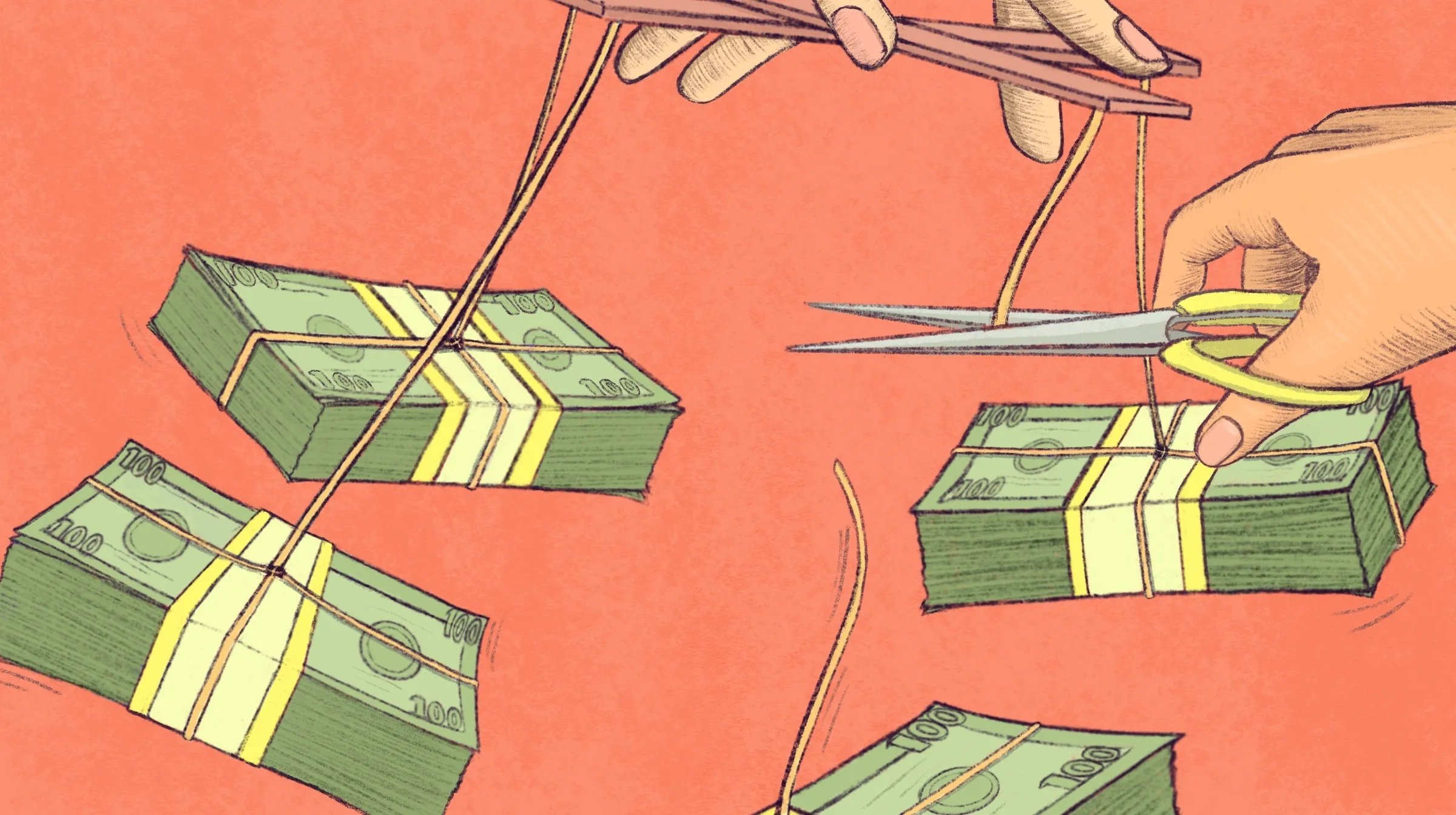
These announcements land amidst a rapid and unprecedented contraction in human rights funding, driven by more than $62 billion in cuts to foreign aid and increasing uncertainty across the philanthropic sector. This contraction is colliding with a global, sustained political and legal siege as anti-democratic actors weaponize financial infrastructure and target frontline movements.
At Human Rights Funders Network (HRFN), we see the very real danger that philanthropic leaders and boards, navigating these escalating threats, will quietly distance themselves from the issues, regions, and communities protecting democracy and justice. Caught in a high-stakes dilemma, they are squeezed between an explosion in the global demand for support and hostile political conditions that raise the stakes of grantmaking.
Private foundations hold the flexible, independent resources that have served as a bedrock for global movements. In our Advancing Human Rights research – the most comprehensive analysis of human rights philanthropy globally – private foundations account for over 80% of all tracked funding. Operating with permanent, independent endowments, these institutions possess unmatched structural autonomy. In any given year, over half of this human rights funding has come from just 12 large foundations. Today, that heavy reliance on a handful of institutions has exposed a deep structural fragility in the funding ecosystem.
A number of private funders are doubling down on solidarity – actively deploying crisis funding models, drawing from their endowments, and rallying their peers to meet the moment. But elsewhere in philanthropy, a parallel retreat is taking hold. Just as governments dismantled public aid – with foreign aid cuts and 2025 executive orders directly targeting feminist and LGBTQI+ movements, racial and climate justice, and Palestinian rights – a growing number of private donors are pulling back from politically charged spaces.
With cornerstone foundations now concurrently re-evaluating their portfolios, winding down decades-long programs, or navigating institutional transitions, frontline movements are being stripped of both government and philanthropic lifelines at the exact moment they need them most.
Evolution within philanthropy is natural. Strategies will pivot. Grants will be cut. Organizations will close. When these pivots happen in isolation, they are a natural part of philanthropic evolution. But when they occur simultaneously, the resulting ripple effects are significant and compounding. A wave of financial instability is threatening to wash away decades of global progress and movement infrastructure. That is why the moral and strategic choices philanthropic leaders make now could either serve as an anchor for frontline organizations to reconfigure or leave gaps that further erode the foundation of human rights.
Intersectional movements are the canaries in the coal mine. They are targeted by anti-right actors first precisely because their work defends against democratic rollback. The protection of democracy rests on the survival of grassroots feminist networks safeguarding reproductive freedoms, LGBTQI+ groups defending bodily autonomy, racial justice movements dismantling systemic inequality, climate activists protecting land and resource rights, and local organizers mobilizing for peace and self-determination. Yet, because these groups are the most politically contested, they are often the first to see funding severed when risk profiles are reassessed.
This moment demands a unified and equally strategic defense by philanthropic leaders. If we are to safeguard the movements we have spent decades building, our community must commit to coordinated transitions, dignified exits, and true transparency. The Human Rights Grantmaking Principles our funder community collectively developed remind us that we are fundamentally accountable to the movements, organizations, and people we support.
Even as these cuts threaten existing movements, a compelling invitation emerges for a new generation of philanthropy to join forces with the resilient standard-bearers who have refused to retreat. The concentration of global human rights funding among a handful of foundations has left our ecosystem fragile, but it also means that new funding can have a profound impact. For emerging funders looking to protect the march toward democracy, bolster racial and gender justice, and stand with intersectional struggles, a ready-made network of trusted partners is already carrying out vital work and building new visions for democracy.
When global human rights are under siege, solidarity is not measured by the endowments we protect or the risks we avoid, but by the risks we are willing to share with the movements holding the line.
Rachel Thomas is Director of Research Initiatives and Kellea Miller is Executive Director at Human Rights Funders Network.

%20(7).png)




.webp)

.webp)
%20(1280%20x%20720%20px)%20(41)%202.webp)
%20(1280%20x%20720%20px)%20(38).webp)
%20(1280%20x%20720%20px)%20(31).png)


%20(1280%20x%20720%20px).webp)


.webp)


.webp)
.gif)

.webp)


.gif)