This piece is a condensed version of a longer paper (3,800 words) about why the dominant conference model falls short, how relationship centered design works differently, and what it actually looks like in practice.
If you are reading this, then you, like me, have spent a significant part of your professional life in conference spaces.
Ballrooms in Singapore, convention centers in Nairobi, hotel meeting rooms in Mexico City, New York, Tokyo. You have sat through keynotes delivered to large plenaries while half the audience is disengaged, scrolling their phones. You have stood awkwardly at receptions, drink in hand, exchanging business cards pro forma, and called it networking.
And you have wondered, at least once, whether this is really the best we can do.
The professional conference is one of the most expensive, most exhausting, and least examined rituals in modern professional life. It follows the same basic script in every field, in every country, at every level of ambition: keynote, panel, breakout, reception. Most of us attend without seriously questioning whether we should, or whether it is actually delivering what it promises.
What does it promise? The same things it has always promised: to learn, to share, and to build relationships. It does the first two reasonably well. Information moves. Ideas get provoked. But the third, actual relationship, the kind that generates trust, honesty, and the long-term connection that carries hard work forward when things get difficult, that one is mostly left to chance. A tight coffee break. A dinner that ran long. A serendipitous conversation that somehow happened in the margins of a packed agenda.
In the international development space, where I have worked for most of my career, this gap is especially consequential. The problems we are trying to solve are getting more complex. The resources available to solve them are getting thinner. And we are still gathering the same way we did fifty years ago, in rooms designed to move information, not to build the conditions for creative and generative collaboration.
Over the last few years, I have been consumed by a question: what if relationship were the organizing logic of the entire conference, rather than a hoped-for side effect of the programming? What would that look like? What would it require? What more would people leave with?
I was not alone in asking it. Colleagues across sectors kept arriving at the same frustration independently, funders who wanted more honest conversations with the people they support, practitioners who were exhausted by the performance of relevance, leaders who left conferences energized in theory but depleted in practice. The hunger for something different was already there. It just needed a design that could meet it.
Those questions led Perennial to build the Perennial Gathering, a four day conference held in Karuizawa, Japan, that brings together up to 400 social-impact leaders, philanthropists, funders, and practitioners from around the world. I call it a Relational Conference. The premise is simple: what happens between professionals in a conference is the result of design choices. Change the choices, and you change what becomes possible.
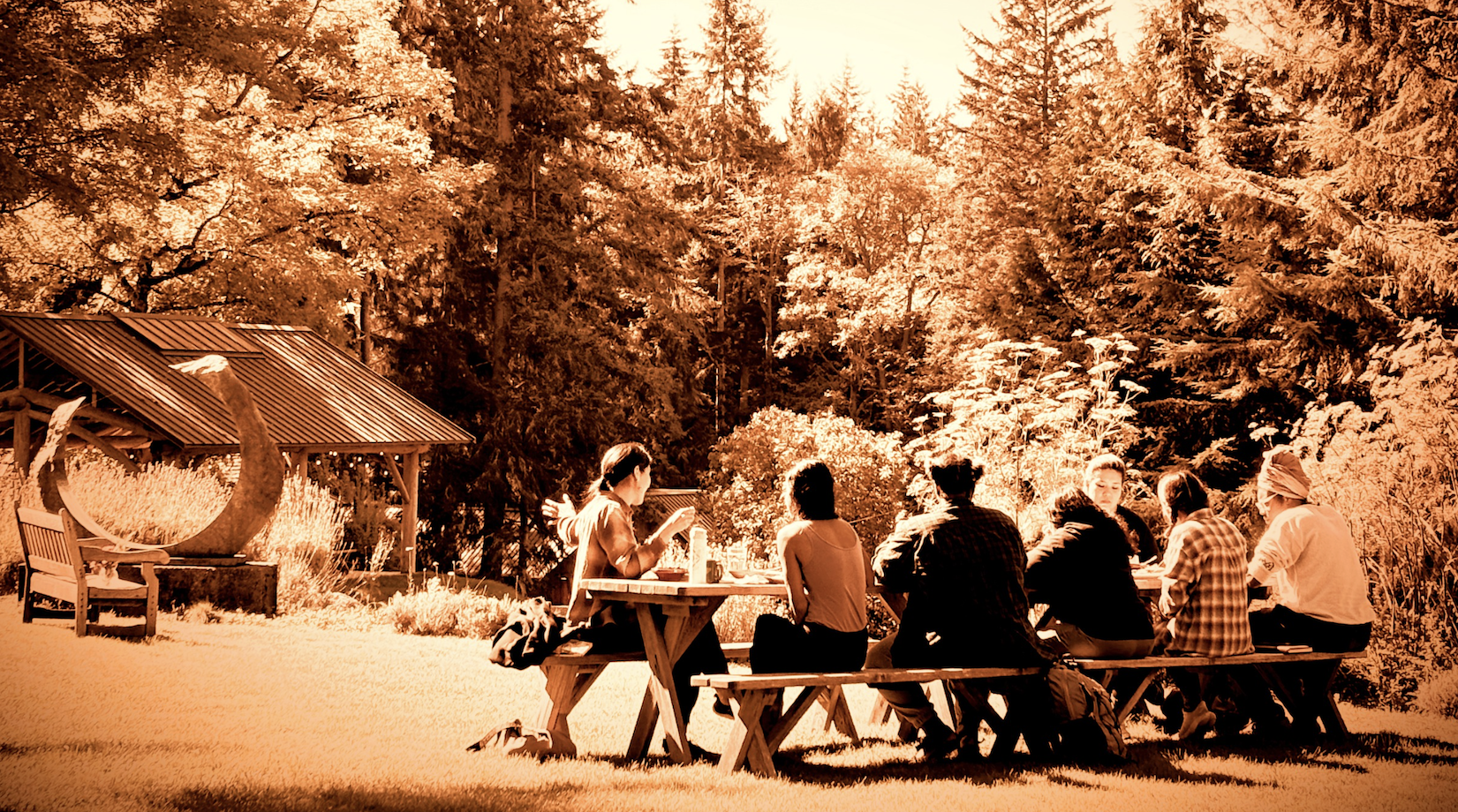
In practice, that means a schedule built around depth rather than density. The days run on a deliberate arc: day one is engineered for connection, with small enough groups and slow enough pacing that people can arrive as themselves rather than as their résumés. Days two and three deepen that trust by building on what has already formed rather than adding intensity. The closing day shifts orientation entirely, from gathering insight to releasing it. Woven through all of this are Soil Circles, small consistent groups that reconvene across the days so trust accumulates rather than resets with each new agenda item. Bespoke agenda items like Fallow Time and Presencing are placed deliberately inside the schedule as restoration, the condition that allows for more sustained and grounded engagement.
Five operating principles shape the Gathering: curiosity over conviction, presence over performance, generosity over utility, abundance over scarcity, spacious over stacked. These are not aspirational language. They are operating instructions. For example, curiosity over conviction means sessions are designed to surface questions rather than deliver answers. Participants host conversations that are more about exploration than expertise. The room is there to find out something together.
Delegates at the Gathering describe conversations they had never had at a professional conference before. Collaborations form across divides that had seemed fixed. People who arrived skeptical leave already asking when the next one is, because something in them is not finished. One delegate put it this way: “Most conferences leave me performing, sharpening my talking points, managing how I’m perceived, tracking who I still need to find before the reception ends. I leave exhausted and somehow emptier than I arrived. At the Perennial Gathering, I met people before I met their credentials. By the time I understood what someone did, I already knew who they were. That changed everything.”
The Perennial Gathering is one proof point that there are different ways to conference that can lead to the kind of learning, sharing, and relationship building that drive our work. But make no mistake, what we need from one another can no longer only be delivered from a stage. It is time to go beyond the ballroom.