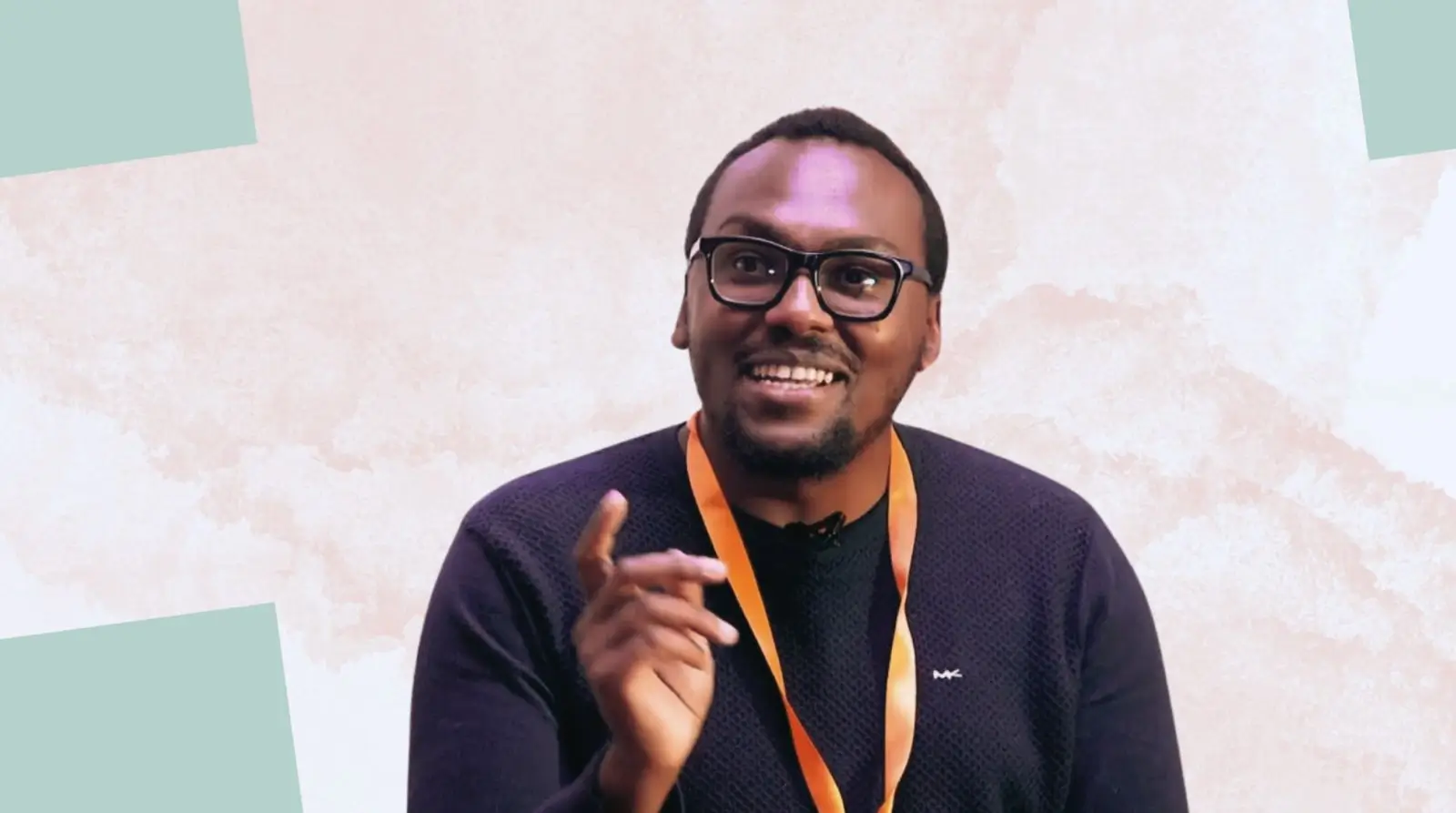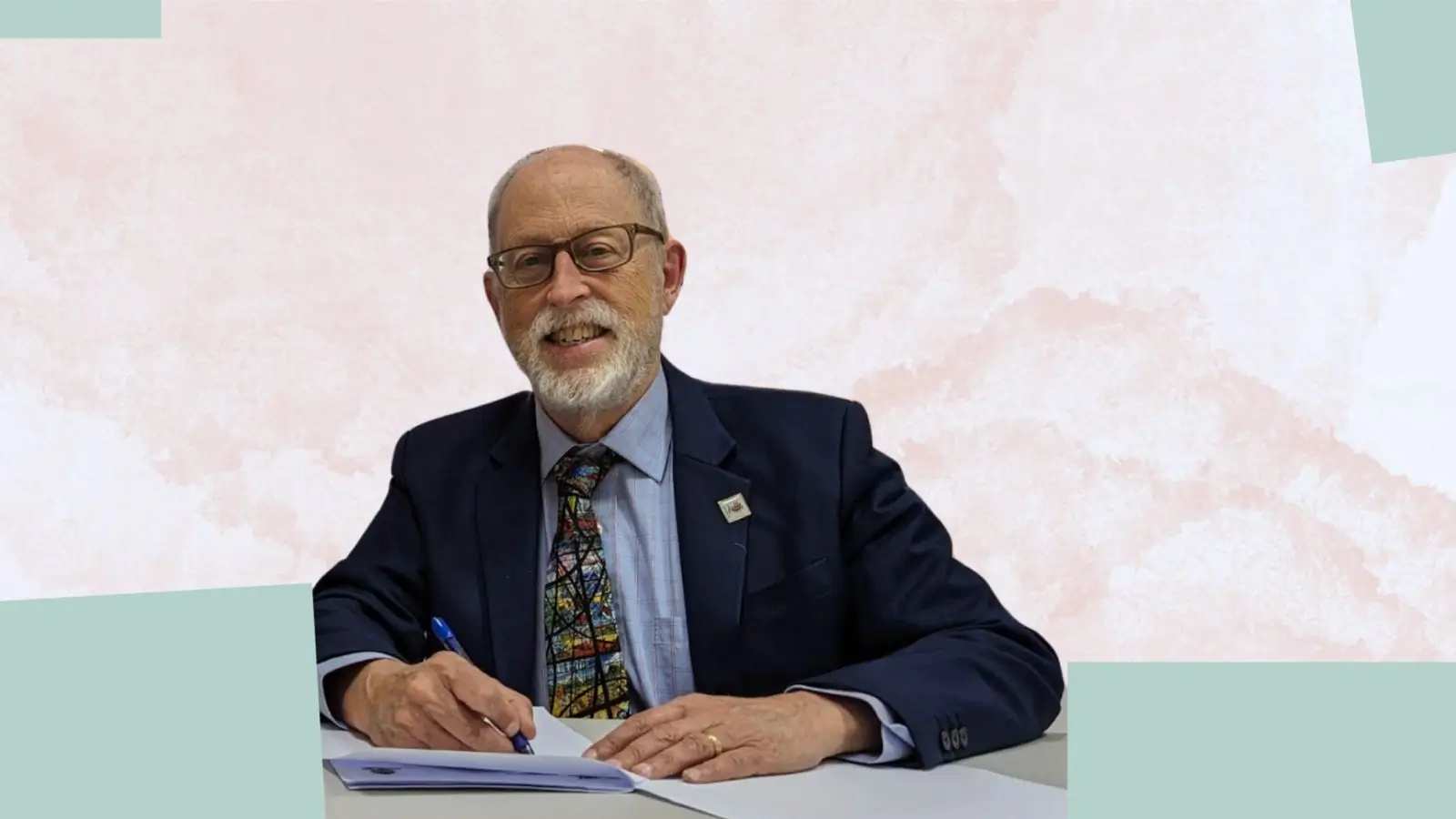

John Coonrad is the co-founder of The Movement for Community Led Development (MCLD). Momentum for the Movement started during the transition from the Millennium Development Goals to the Sustainable Development Goals. Building on prior convenings and pilot programs funded by the World Bank and the UN, in 2014 a series of conferences around the world were convened to co-design the Movement for Community Led Development. Initially a network of roughly 50 INGOs, as John tells it, the COVID pandemic and the evacuation of aid workers around the world, led to an enormous expansion of the network as local organizations sought avenues to share knowledge, pool advocacy resources, and coordinate nationally, locally and globally. Now 10 years old, the Movement consists of thousands of organizations around the world focused on a “long-term process that empowers citizens and local authorities to transform entrenched patriarchal mindsets and take effective action.”
Proximate Press spoke with John about the current state of the Movement and where he and the network’s members think the aid and development sectors are headed, especially in the face of aid reductions and wholesale abandonment by the US, EU and others.
You've hit the 10 year milestone since you co-founded the Movement for Community Led Development (MCLD). Has anything shifted as the movement has grown and become more diverse, more complex, more representative across the world?
Those are big questions. It's true, MCLD as a movement was formally launched 10 years ago, but this issue of having communities in the driver's seat of their own development has been a struggle for more than 100 years, and so we need to really think of it in those terms.
The idea that somehow a paternalistic, benevolent force from the top has to grant people this is proved more false than ever, because then everything exists at the whim of those who have placed themselves in power over others.
One of our big priorities in MCLD now is making sure that everybody who recognizes this, the importance of subsidiarity, are all working together, that we're not quibbling over little details when you know the rock that we're pushing up this mountain is tumbling down on us.
It seems like in the early days that the movement was set up to create channels to multilaterals, to the UN, to the African Union, to the World Bank, and to bring not just the voices, but the ideas and knowledge into the room from community-led development practitioners. How do you see the strategy of the movement changing, perhaps in emphasis, rather than in wholesale direction?
We seriously reorganized during COVID, when 1000s, hundreds of 1000s of development workers got pulled out of communities. [And] 1000s of community leaders needed a platform for collective voice and action, and they came to MCLD. And suddenly we had chapters sprouting up with no INGO participation whatsoever. So these were wonderful, vibrant networks that got created and hosted within the broader framework of MCLD.
And so we restructured starting in 2022 and officially launched the new structure in January of 2024 where each member would be a member of a national association, and those associations would set their own priorities, and they would work in concert and with a shared set of principles globally, and with a democratic global assembly, if anything has to be done globally.
So that's all been put in place, really, since COVID, and it makes us truer to what we wanted to be.
Are you concerned that the gains that you've made in these spaces, with the World Bank, with the UN and in the past decade are going to be lost? Not because of any actions or strategies that the network is pursuing, but because those institutions just took a huge hit financially, are you afraid of backsliding? Or do you see this as a moment of opportunity?
The World Bank hasn't lost any money. The African Development Bank has actually raised a lot more money. And I think some of the sub-national, sub-regional development banks have really actually grown in the past year. And those are usually, in some ways, a little more accountable locally.
Certainly, the bilateral development funding has really taken a big hit. And I don't think that's going to come back.
You said the funding is not coming back. Are you concerned private sources can’t replace that funding? If it can't reach the scale of bilateral, multilateral funding coming from governments, what can philanthropy do now?
I think there are a group of philanthropies that have taken up this ecosystem concept of looking country by country [and asking] if it were working, how would it work? And it does usually boil down to some combination of better, stronger, more responsive local government and local civil society able to work constructively with it.
But you know, the pathways to that are going to be different in each country. So having that systems model in their heads, and really listening to local people means for philanthropies really shifting more to a trust-based model and to a long term model. And I think some philanthropies have already done that.
Some of them are learning.
What is the discourse in the network now, what ideas are bubbling up, or what are people gaining consensus around what is needed to carry this movement forward?
We did a whole strategic planning process involving literally 1000s of voices over the past year and a half, and we have a strategic plan with four pillars, with differentiated National Implementation Plans. What do we need to do about policy in a given country? What do we need to do about the practice of mobilizing communities? What do we need to do about building solidarity among like minded organizations? And what do we need to do to be self-reliant?
I mean, the great thing about CBOs is they've been mostly self-reliant. Self reliant, yeah, but, they would love to raise more money.
I know there's still some members who think they should compete for the crumbs of some grant, but what you want in a relationship with a philanthropy is for them to have a conversation with you and say, okay, we'll support that. Write us a two page or a 10 page or whatever they want, but they've made the commitment to you, you know, before you start spending time.
I think one of the reasons that any organization chases after grant money is because it is a visible resource out there that can theoretically be grabbed, whereas there are invisible resources or opaque resources. A lot of philanthropic money is just also not publicly accessible. So how do you make connections between the money that is not directly accessible and the community-led organizations in the network?
I think you try to foster relationships. I mean, yes, they're opaque to grant seekers, but they're not opaque to grant makers. We have a grant from the Conrad and Hilton Foundation. They're giving us money, plus they're opening doors for us to a couple of their like minded organizations, and I think that's the only way in…
So that's what we're doing, we're trying to do work with each national association to be able to do that.
What motivates you at the moment, having done this work for so long, and there being so many overlapping crises. You are still talking with enthusiasm about these ideas. What’s keeping you in the fight?
You know, optimism is a sacred duty. You've got to make any kind of difference in this world. You've got to have the ability to find and advocate for opportunities.