
Over the past 10 years, Mama Hope has grown from a small initiative in one village to being an established intermediary between locally led community organizations and the national, regional, and international funders in Kenya, Uganda, Tanzania and Rwanda. Mama Hope now works in “eye-to-eye” partnerships with annual cohorts of locally led organizations to do systems strengthening, network building, impact investing, and advocacy to enable communities to transform their circumstances on their own terms, with their own ideas and labor.
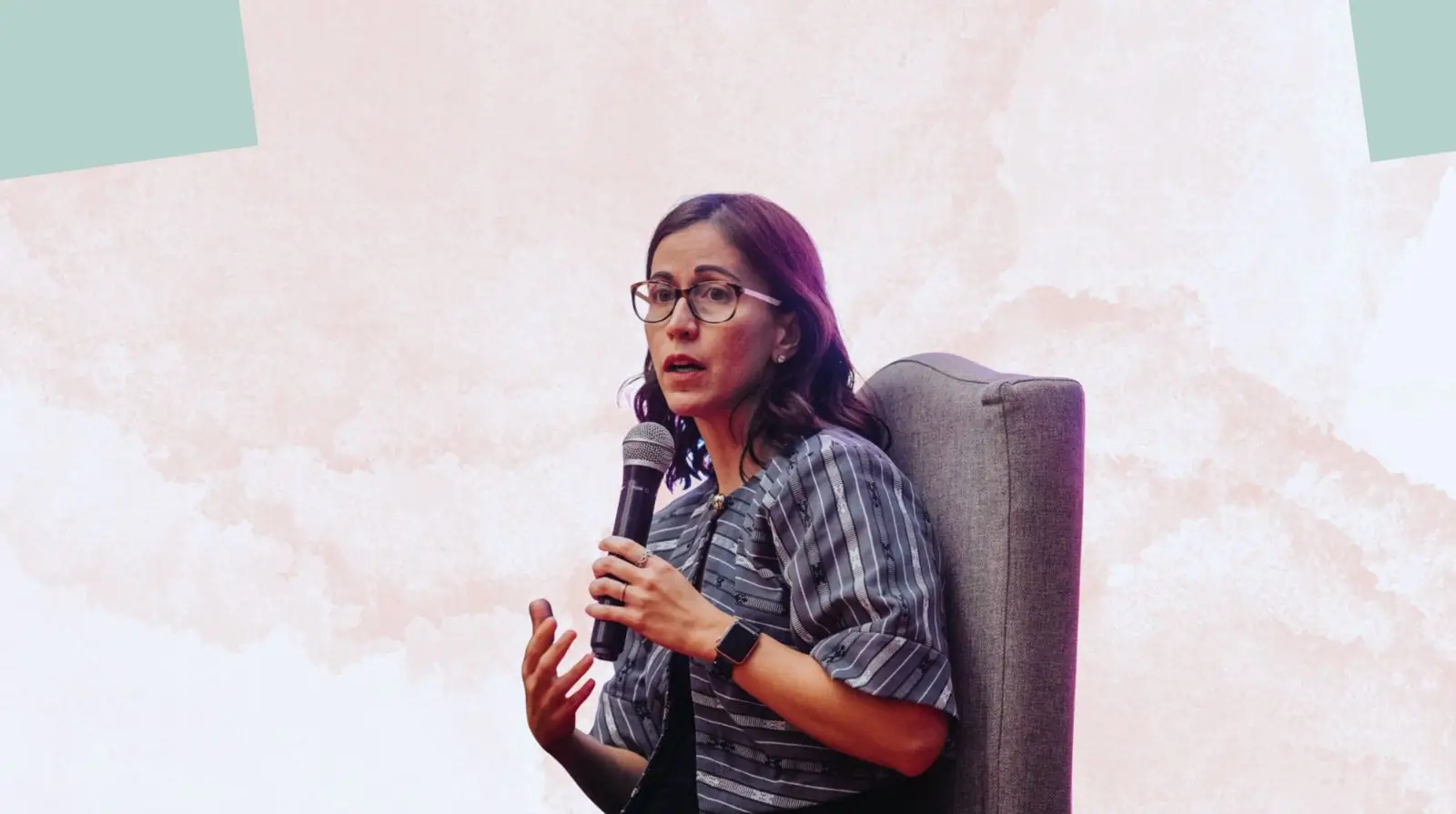
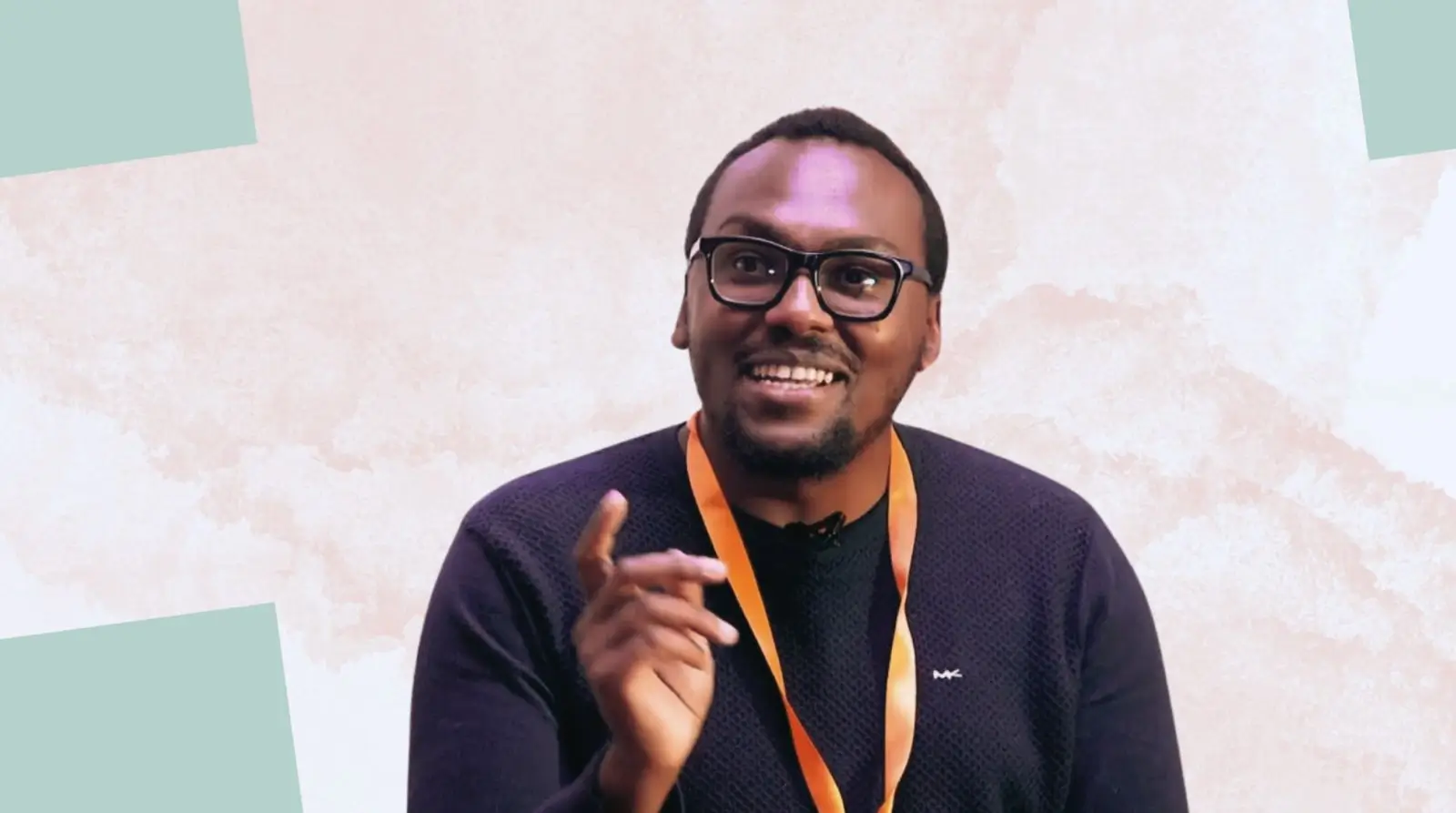
Proximate Press spoke with Vincent Mwangi, Co-Executive Director (Program Development) about Mama Hope’s journey and how intermediaries can play an ethical, productive, and collaborative role in locally-led development.
Let’s just start with the basics. What is the mission of Mama Hope and what sets it apart?
Our mission at Mama Hope is to accelerate locally led organizations through system strengthening, fostering effectiveness, efficiency and equity in locally driven development leading to a balance in power dynamics.
We saw that with the onset of conversations around decolonization, localization, so many funders and donors wanted to work with locally led organizations, and this was because of the work that had been done advocating for more locally led organizations.
[But] most funders were funding organizations that were well known within the ecosystem, and so they were leaving out early stage locally led organizations, because most of the times they term them as risky.
And so the question that we asked ourselves as a team was: why don't we go and partner with these organizations and be more of a pipeline, bringing in organizations giving the right support, the right tools to develop systems to help them to be grant ready?
We've seen over the last 10-15 years, this focus on “startups, accelerators and incubating,” but it always has a bias towards technology-based interventions. How does Mama Hope approach funders when you're not pitching technology or a “turnkey solution,” but instead are pitching them something complicated but that’s still using that same incubator model?
Unfortunately, the development sector wants fancy and cool things to fund, and of course, capacity strengthening is not something that is that fancy or cool to fund. But then at the same time, we've been quite lucky to meet donors, or find donors, who are quite aligned, and they see what we see when we talk about strengthening.
And they believe that, instead of having a tangible app that has been created [at the end of a program], impact is growing, the organizations become more efficient with how they deliver their programs, but then at the same time, they're also growing their network of funders who are going to fund them so they become established and strong organizations.
I'm curious how you balance the role of the middleman between funders and local start ups. How do you communicate in both directions in order to create systems change within the ecosystem?
I'd say we as a middleman, or what people call an intermediary, one thing that we've really done is that, when it comes to being “parents,” our job as Mama Hope is to be more of a catalyst supporting them, and marketing them out there, for them to be well known, for people to invest in them.
Because even when we bring in an organization, we always do our own due diligence to ensure that it's a credible organization that we're partnering with. So there are certain things that we're always looking at. Is the model innovative? Are there programs that are actually really existing? Is there some form of impact already being created?
The reason why we want to work with such organizations is that they're doing something, and their programs or their models have a high potential of growing and creating more impact in their communities.
Now, when it comes to these organizations, one of the key things that we’ve always worked hard on as an organization is we've built equal partnership with them, and this starts with how we talk about our partners. We have a whole language bank on how we communicate and portray the communities that we work with. And when it comes to funders, we've also done a lot of education in ensuring that we are also educating them on how development work should look like.
As you mentioned, Mama Hope is very careful with the words and the language that it uses. When you say “system strengthening,” what do you mean? Because it can mean different things in different contexts.
If you check our language bank, we have a definition as to why we don't say capacity building, and we tend to use system strengthening.
Because when you talk about capacity building, you're approaching it from more of a “lack of” point of view, that these communities do not have anything.
And one thing that we're always saying is that when we are working with these communities: we are bringing to the table something. They're bringing local knowledge. They're bringing lived experience. They're bringing some of them, actually, even expertise in certain areas.
The reason why they're in that space is because systemically they've been left out, or they've been seen as “the other” when it comes to decision making processes.
How would you describe your business model? How do you describe it internally and then externally to potential funders and partners?
What we do is we partner with foundations and individuals who would like to sponsor locally led organizations to go through capacity or system strengthening support. We work with these funders… [to] sponsor an organization to go through the program, the nine month program, and then they end up joining our alumni network, and they receive the same support as other organizations.
We do have what we call paid partnerships, and those are the organizations that we've approached [or] who've approached us to sponsor an organization to go through system strengthening with Mama Hope.
And then we do have organizations that attend for free, and this is based on we do have a call to application. Last year we did one, and we got to close to 2000 applicants who applied to be part of our programs.
Nairobi is one of the main hubs globally for international development. I can only imagine just how chaotic the sudden withdrawal of enormous amounts of funds were but Mama Hope seems somewhat immune to that withdrawal, because you do not seem to take government funding. Was that a deliberate decision on the part of Mama Hope? And if it was, why did you choose to go that route?
Yes it was. We did not get anything from USAID. And the main reason for that is that for a long time, the team felt that we were really not quite aligned with USAID… [but] when USAID was shifting and there was a push for localization, we actually approached them to see ways in which we could get funding. Because we started feeling there was an alignment in terms of language and the aspirations that they had for development. Because I'd say Mama Hope was one of the organizations pushing this since day one, when the conversation was not that common.
It was something where there was a high possibility [of funding/partnership] if it had continued. But also, I'd say, it was more of a saving grace for us, because if we were funded by USAID with the closure or with the end of it, we would have been at a difficult position.
It's always important for people to think of how they exit from partnerships, and it's something that we've also, even with part of our donor education.
Mama Hope has positioned itself as a support mechanism for a growing ecosystem of locally led organizations. How do you invite a new funder into that ecosystem, into that network, into the movement that you're participating in and helping accelerate?
One thing I must say, and this is one thing we also need to acknowledge honestly, is that the development sector has come a long way. I myself, growing up, how I saw our communities portrayed to the kind of conversations that we're having right now? We have to give credit where it's due, and it's been a lot of work that has been done. And of course, there's always challenges, but things that we always need to appreciate and acknowledge is how hard the development sector has worked in ensuring that we change or shift how we portray communities. And that's something that Mama Hope has been advocating for a long time, and it's been in our ethos, our values, from from the beginning, and so even when we're inviting donors to come into our effort, it's always because these are individuals or organizations who share a common value With us of seeing communities thrive or communities independent from external depending on external support.
And I'd say that's also a growing movement that we're seeing right now, especially with private foundations. We've seen so many of them that have shifted even their team, and they have more of their team set up near communities that they work in.
We have this policy at MAMA Hope called “Staying for Tea,” which is basically you sitting down and listening to the organizations that we work with. And it allows you to actually brainstorm and co-create things when you sit down for that tea with them. So that's something I'd encourage more funders to do rather than long [application] forms that take away a lot of time that would have been spent doing actual work in communities…
Locally-led organizations are the ones with the strategies, they're the ones with the ideas of solutions, and we need to invest in them.